The Seven Wonders of Warwick
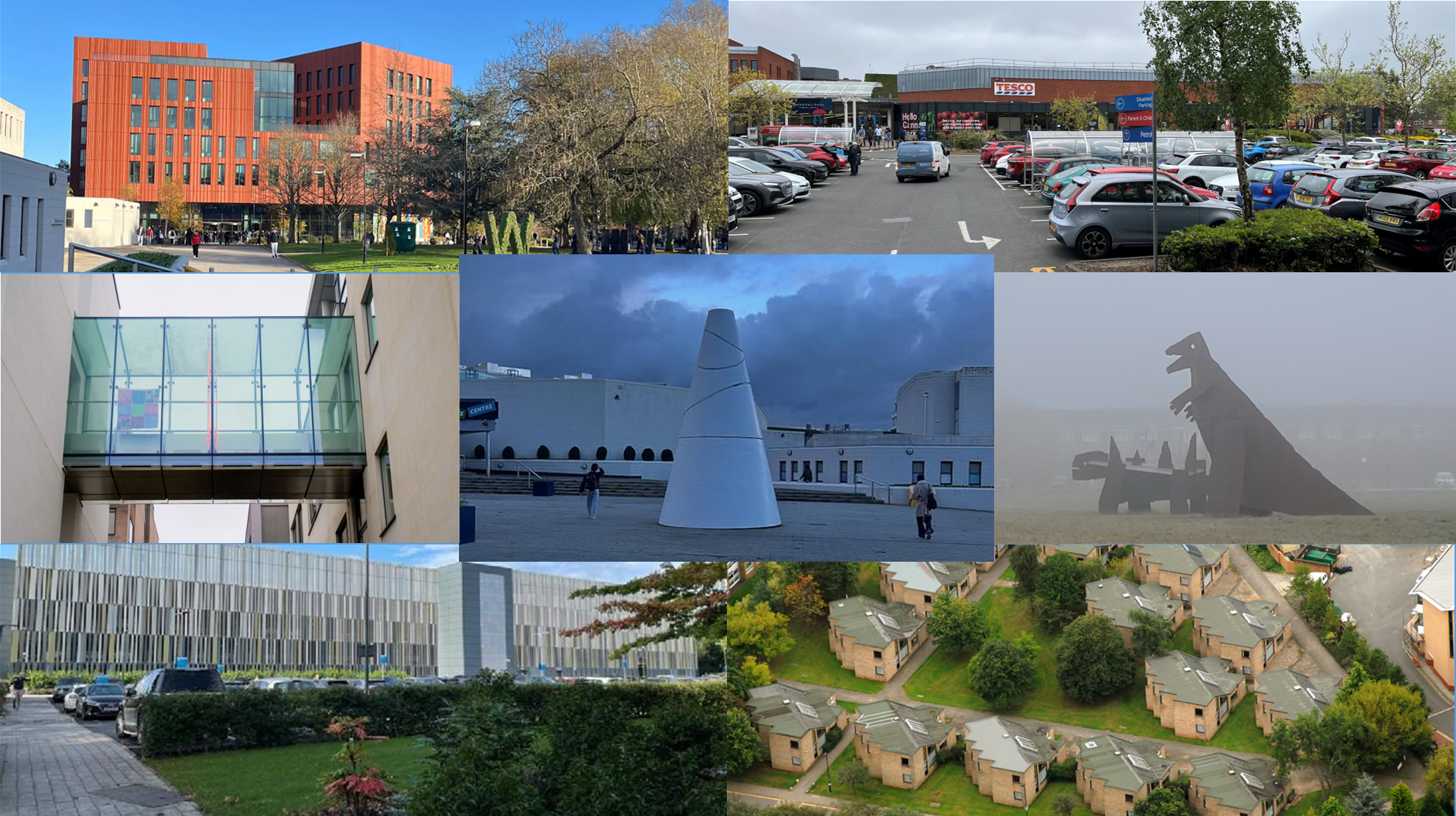

It goes without saying that the area slightly below South-Western Coventry and above Kenilworth is one of the most outstanding areas of natural and, dare I say it, even unnatural, man-made beauty in the world. This region, if indeed it has a name, is often called the University of Warwick’s central campus. Though it’s still awaiting UNESCO world heritage status, it’s my hope that the good people involved there will read this article and finally get their act together, granting the university a status that has, for many years, already being taken as read.
The DIMAP Bridge

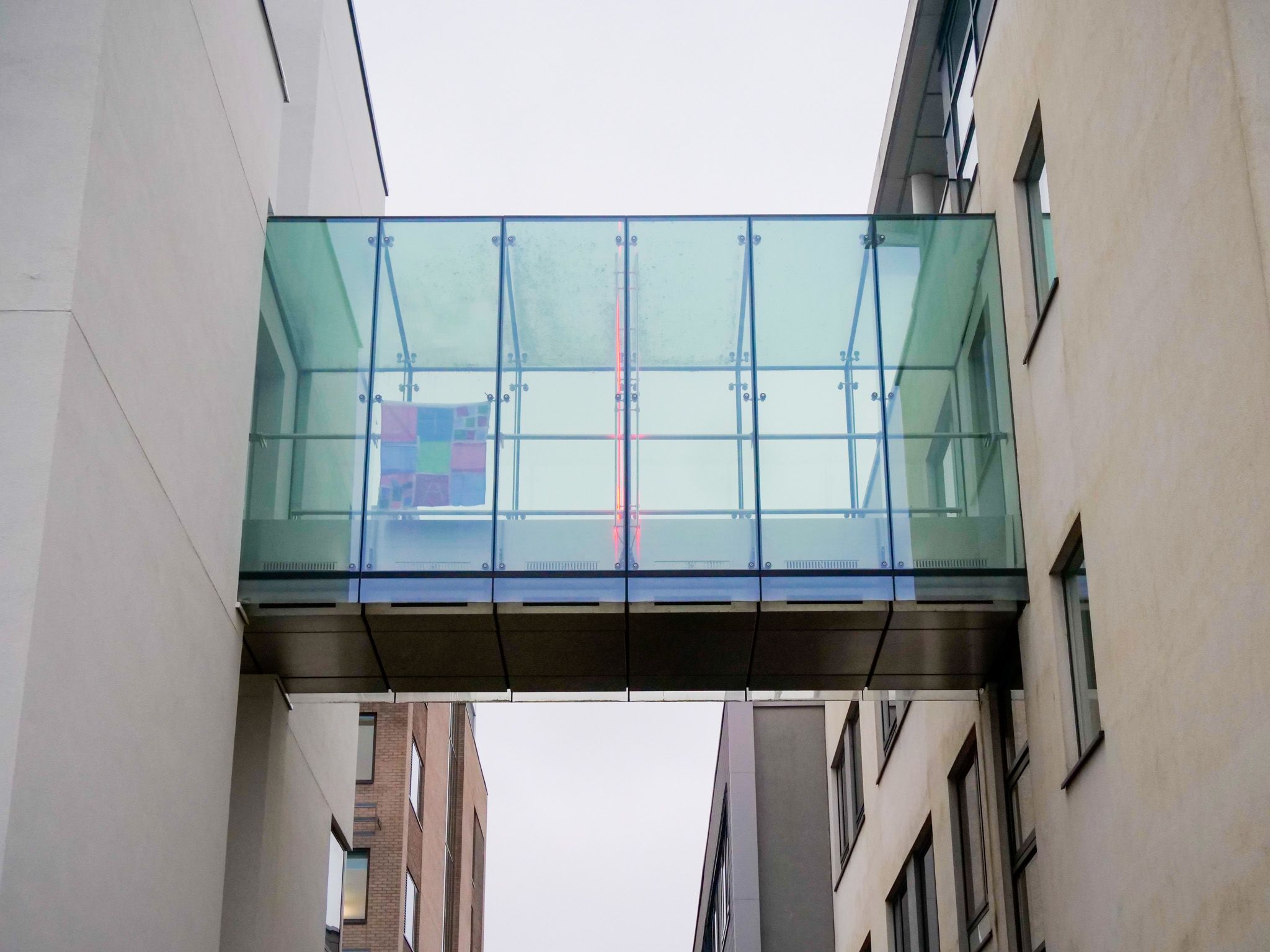
Where better to start than the famous DIMAP bridge? Connecting the Zeeman Building and Department of Computer Science, this extraordinary walkway unites almost all aspects of the STEM world, from computer science to maths. Seemingly impossible, it appears to float above the ground, without any ballasts or support beams. The centre is supposedly supported by its own extraordinary history. The bridge’s enduring strength and refusal to collapse under the weight of its own majesty make it a technical marvel. Connecting history and engineering brilliance symbolically, but also maths and computer science more literally, this impossible structure continues to astound.
The FAB

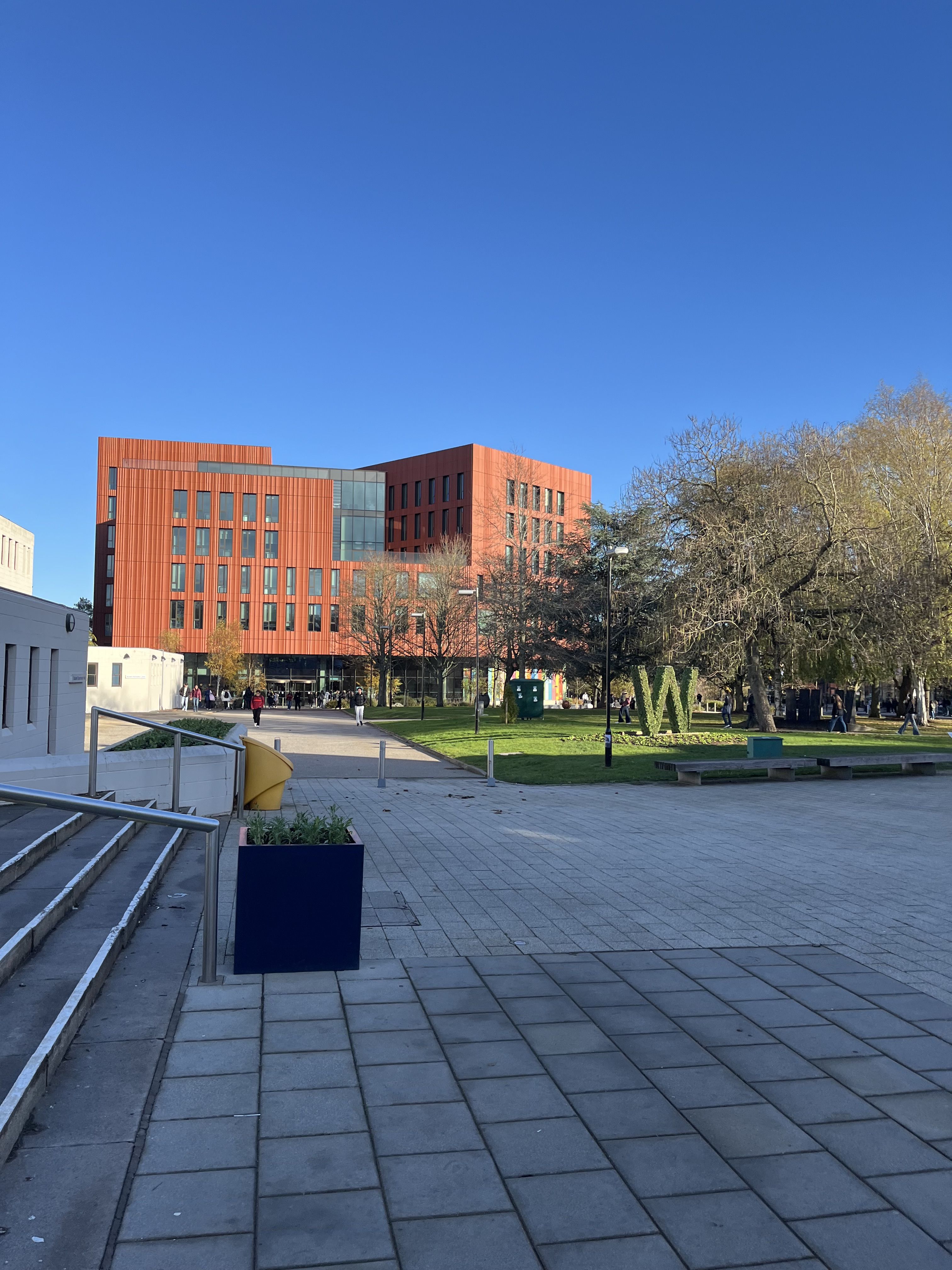
Though obviously not tall enough, the Faculty of Arts Building, sometimes confusingly called The FAB, is an amazing sight. Standing as yet another inspiring win for Humanities students over people who do STEM, with eight floors and even more stairs, this extraordinary symbol of Arts superiority is almost big enough to distract from our inevitable unemployment.
Its winding Hogwarts staircases make for an extraordinary sight, although proving about as tedious and impractical as they inevitably would have been had Harry Potter been more grounded.
Whitefields

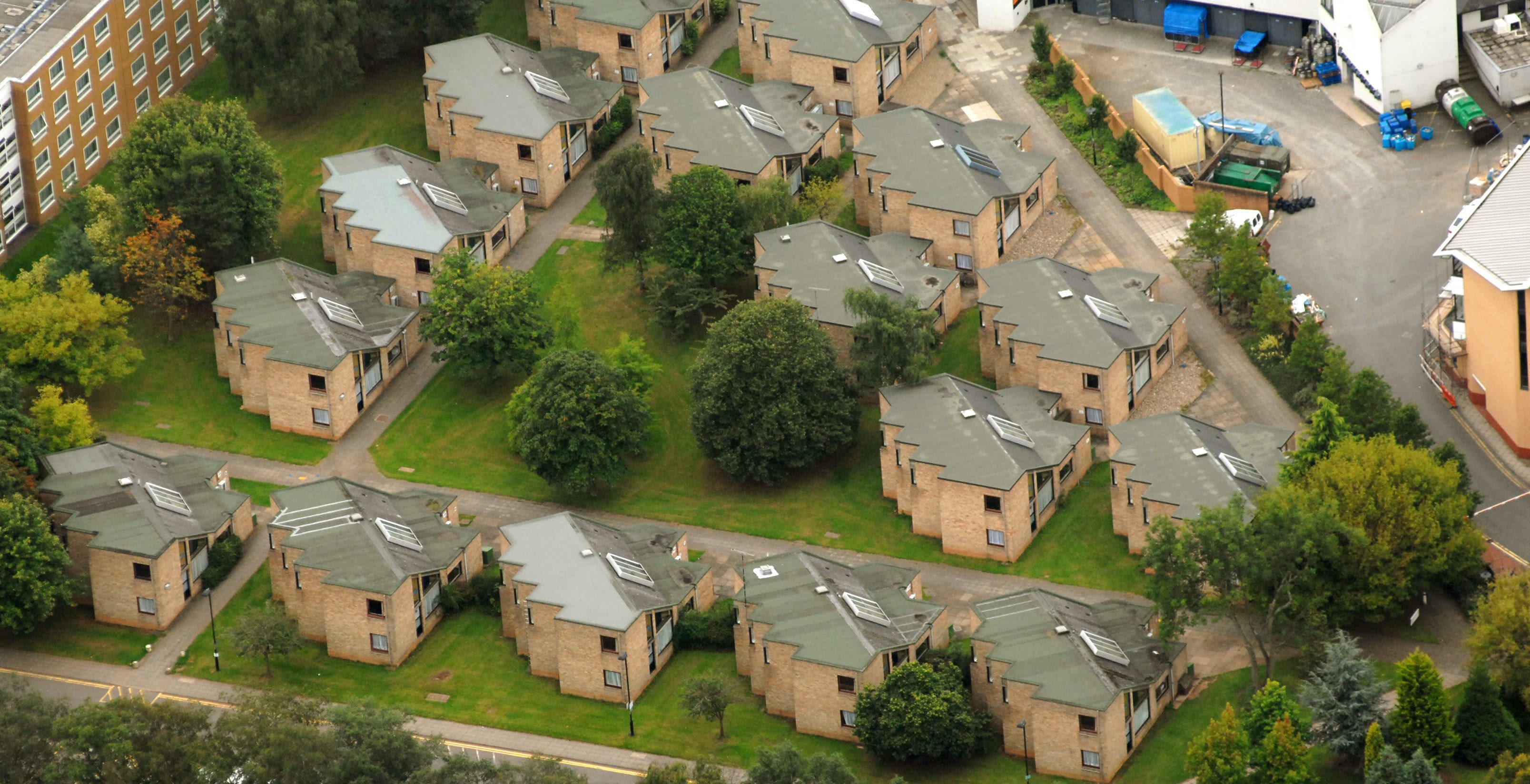
Not unlike the ‘official’ New Seven Wonders, Warwick possesses one surviving remnant of a presumed ancient past. These mysterious relics of a time gone by, when accommodation was probably affordable, and Purples were cheaper than a packet of crisps, continue to baffle experts. How did they fit 12 people into these tiny structures, as people claim? Sure, humans were shorter back then, but that doesn’t prove anything.
Who built them and why? Did they form part of some mysterious ancient ritual? Were they created by aliens with a far greater understanding of space-time dynamics and Tardis-style technology than our own? Like the statues on Easter Island, these unexplained structures continue to stand tall, symbolically, and mystify all who visit them.
The Kirby Corner Car Park

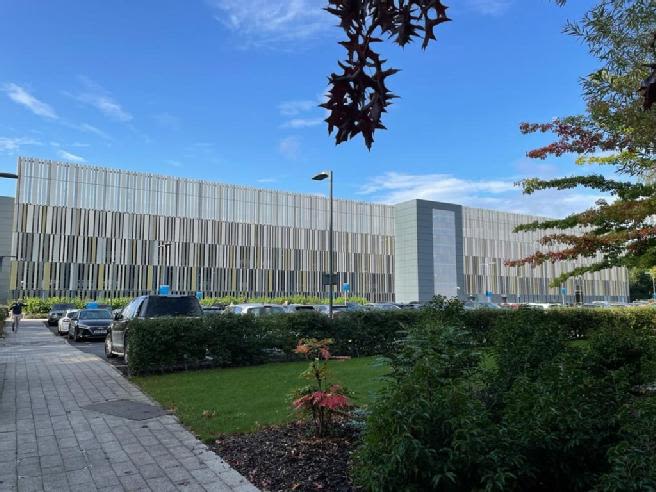
The majesty of the Kirby Corner car park has long been expounded on by professionals and amateurs in the field. Dubbed ‘Car Park of the Year’ in 2022 by long-time expert, Kevin Beresford, this fantastic place to park your car reinvents everything you thought you might possibly know about a multi-storey car park.
Visually stunning, some say it’s meant to resemble the strings of a Steinway, though it’s of course the heartstrings that will be truly tugged when you stumble upon this hidden gem. Dubbed ‘a zenith of car park design’ by presumed-Dr Beresford, it boasts 1300 unique spots, spanning a whopping five floors, and uses solar panels to generate a staggering 10% of its energy that it apparently needs even though it’s a car park. Literally none of these attributes can be seen in any of the New Wonders of the World, outside of maybe Petra. In fact, you’re not even allowed to drive up to the top of one of the triangle-shaped buildings in Giza, unlike Kirby Corner, where the open-air floor five is totally free for driving on.
Big Tesco

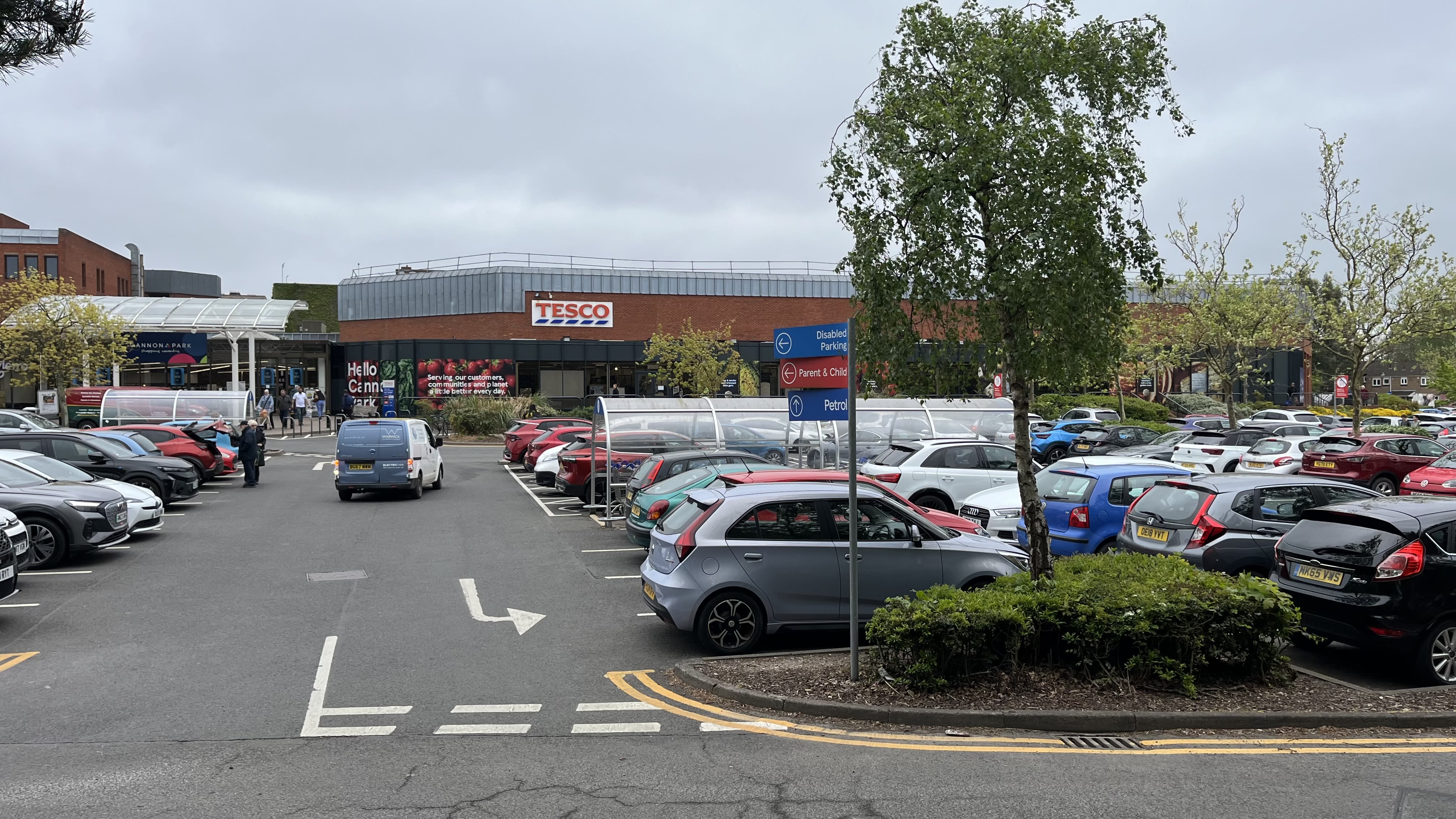
Though relatively long, the Great Wall of China is not, as some liars have alleged, visible from space. This cannot be said about Big Tesco. By its very name, Cannon Park’s Big Tesco pronounces its scale. One of the largest Tesco supermarkets in Coventry and its suburbs, it stocks everything from food to clothes, and stands as a key shop in one of the world’s most dynamic, varied, and famous centres of shopping, Cannon Park Shopping Centre.
Both wider and taller than the ‘Great Wall’, this extraordinary structure continues to amaze.
The Koan

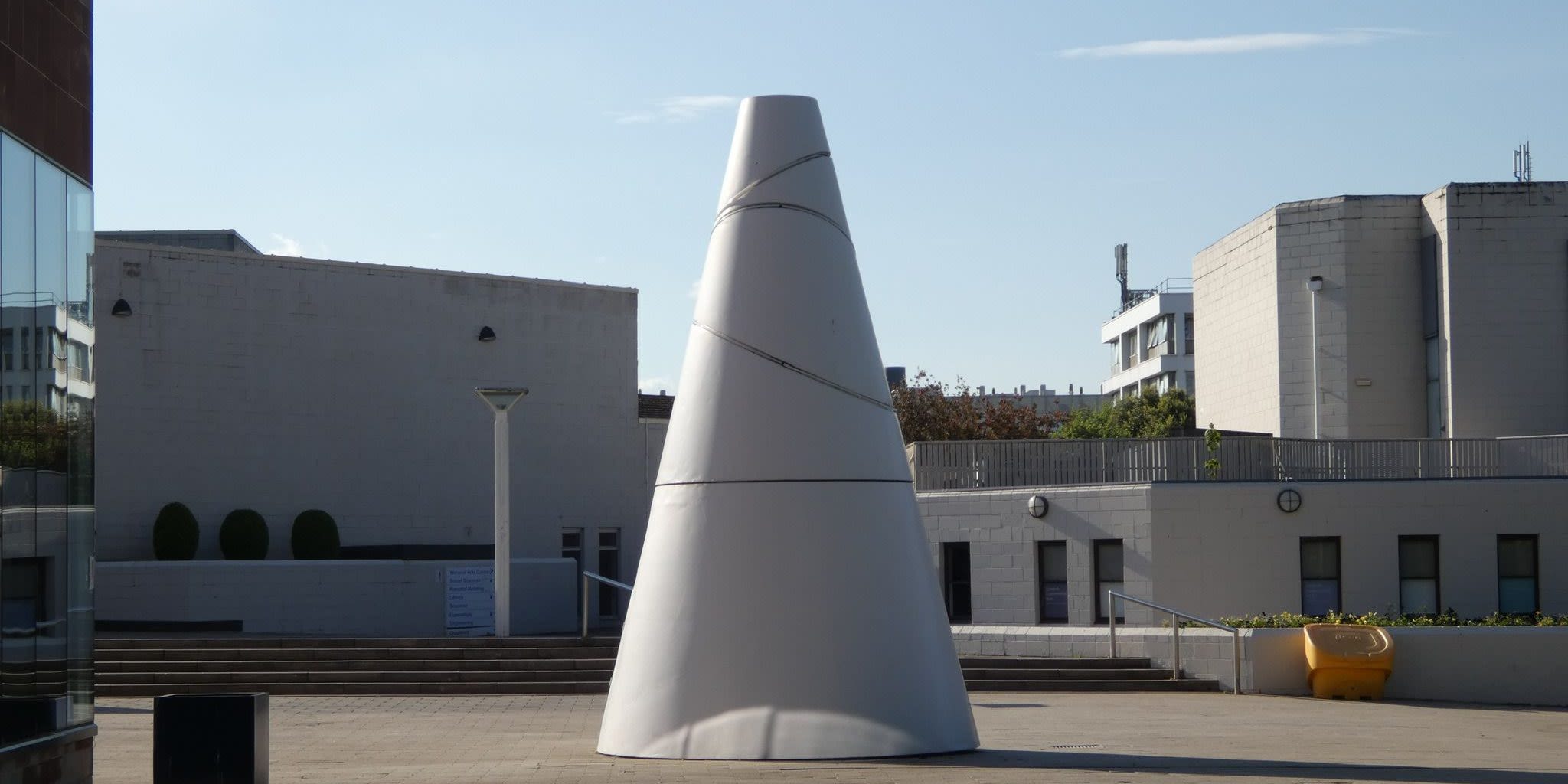
Much has been said of some old buildings in Giza, but these are famously too old to be interesting and not built at a sharp enough angle for anyone to care. In piercing contrast, the Koan is perfectly angulated and is sufficiently new to be good. Though recent cuts or the suspected death of the engineer inside have seen it no longer spin, it’s important to note that spinning is a feature sites such as Chichen Itza have never exhibited even once.
There is perhaps no more extraordinary sight today than walking outside of Senate House after losing your Student ID, and seeing this magisterial, white triangle standing tall on the horizon. Some people even say that during Week 10 POP! each year, when the sun hits the curvature of the Koan just right, a shadow of a full pint of Purple appears on the centre of the sculpture. Unfortunately, no one has yet been simultaneously on campus and not enjoying midweek mayhem, so as to confirm or deny this claim.
Backshot Dinosaurs

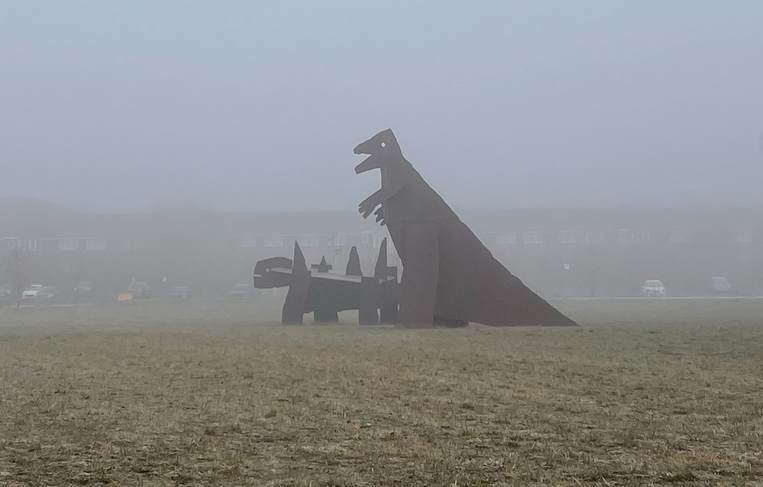
One of the most impressive human-made sculptures in history, The Good and The Bad by brothers Jake and Dinos (yes, that’s his actual name) Chapman, remains an iconic aspect of the Warwick skyline. Though compromisingly positioned, mocked for reasons unimaginable and often called by alternative, slightly cruder names, this iconic duo is an undeniably breathtaking and provocative feature of the Warwick campus.
Legend has it that the two brothers who created the sculpture fell out after its construction. Whether this was because Jake Chapman got frustrated that they never made any sculptures which reflected his first name, even one time, is not known.
Sadly, this sculpture will be leaving us in August 2026, due presumably to my graduation a month prior and the end of the university’s loan agreement.
It is important to add, the theories that these are in some way real-life prehistoric fossils, recovered by the brothers on holiday, have been largely debunked, due to their being sculpted out of metal by humans.
The scary notion that the dinosaur sculpture will be leaving campus soon opens a glaring gap in the university’s otherwise bulletproof seven wonders line-up. With this in mind, it seems only right for the management to commission another landmark to take its place. Fortunately, I have a few ideas.

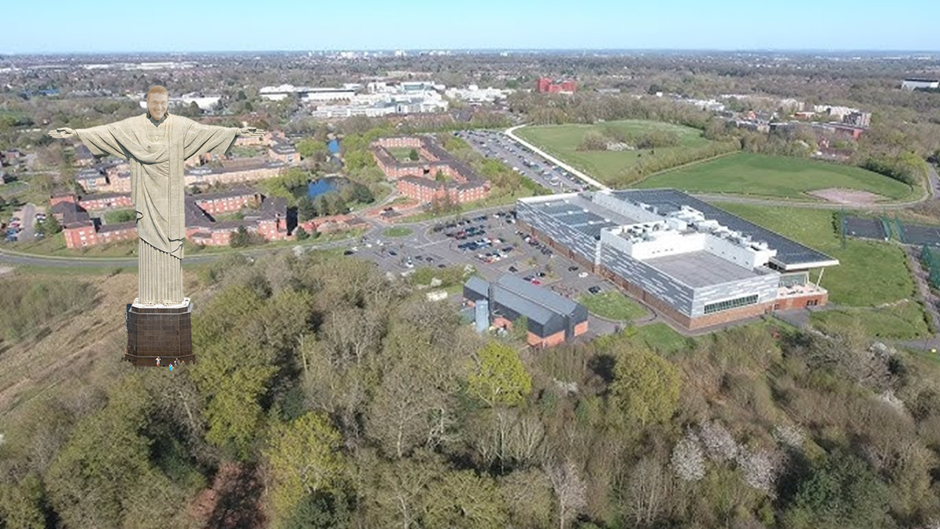
Croft the Redeemer, Mike K Warner / Youtube
Croft the Redeemer, Mike K Warner / Youtube

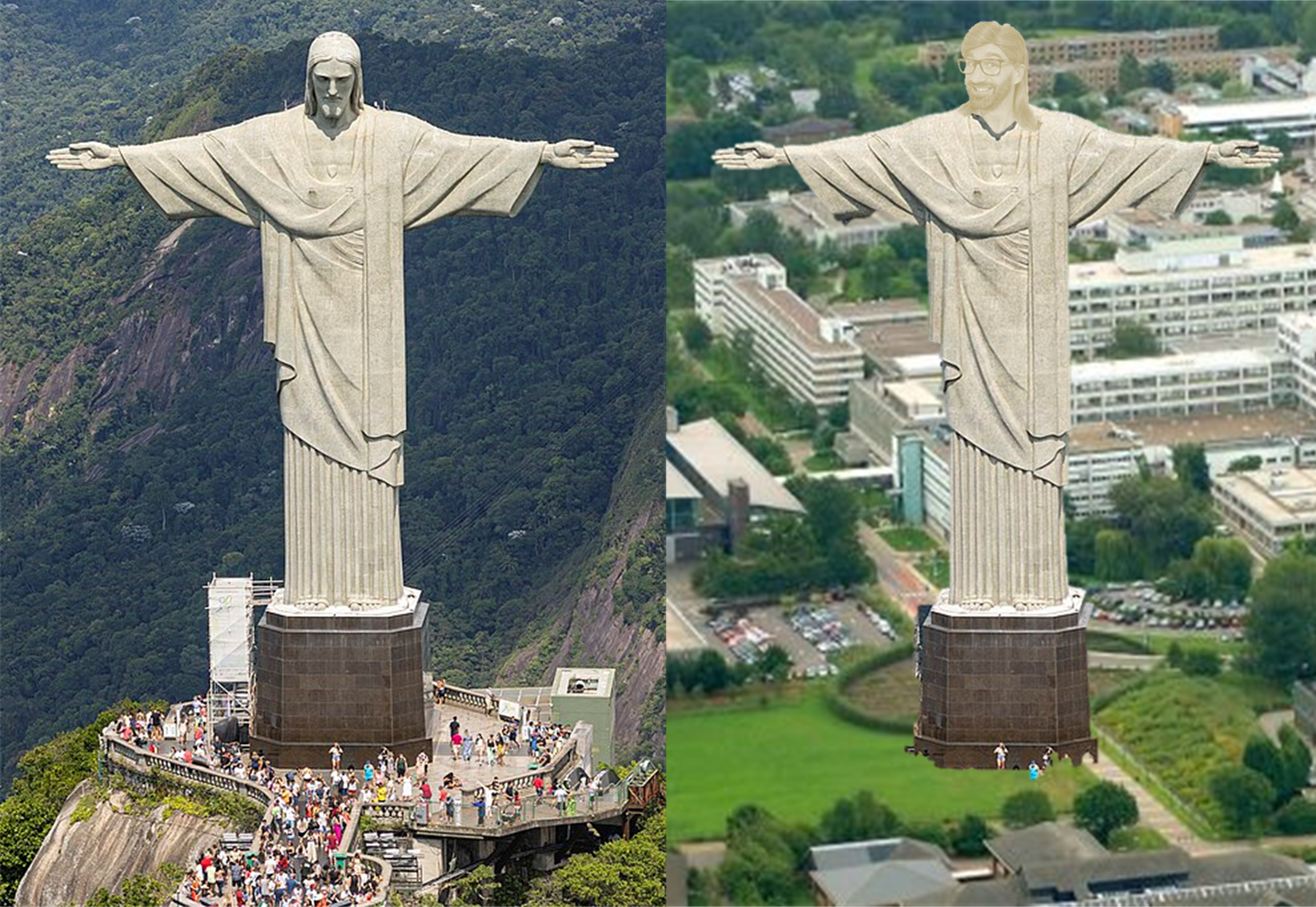
Dave the Redeemer
Dave the Redeemer
Taking inspiration from Rio’s Christ the Redeemer statue, it could be beneficial to sculpt our own one, depicting one of Warwick’s most preeminent figures. I have provided some concept art of possible statues, provisionally titled ‘Croft the Redeemer’ and ‘Dave the Redeemer’ respectively, which I believe would be welcome additions to the university’s horizon.
If any professional or even amateur stonemasons are watching this, I would encourage you to write in, and we’ll see if we can work something out.
Alternatively, I would also ask you, what is better than one Koan outside the FAB? Yes, that’s right, a whole henge of them. A striking homage to something in Wiltshire, ‘Koanhenge’ would undoubtedly prove an exciting campus talking point.

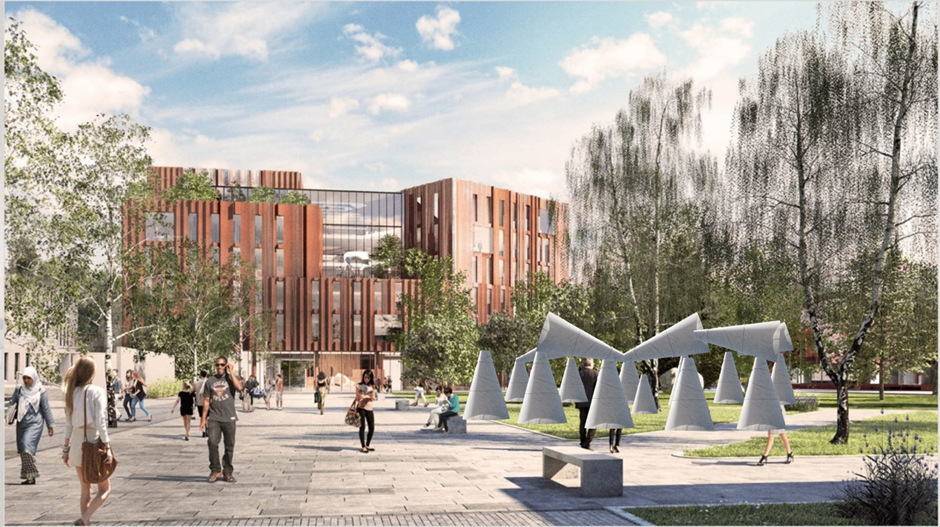
Feilden Clegg Bradley Studios
Feilden Clegg Bradley Studios
With the ball firmly in UNESCO’s court and my case assuredly rested, all that remains is for us to keep an eye on our letterboxes and wait for that inevitable acceptance letter to be delivered. In the meantime, it might be best to begin work on the stonework of one of the proposed replacements for our, of course, irreplaceable dinosaur sculpture, to ensure that tourists are not left in any way disappointed by Warwick and its many wonders upon arrival.
 Built with Shorthand