The University of Warwick
A second collection of our most famous urban legends
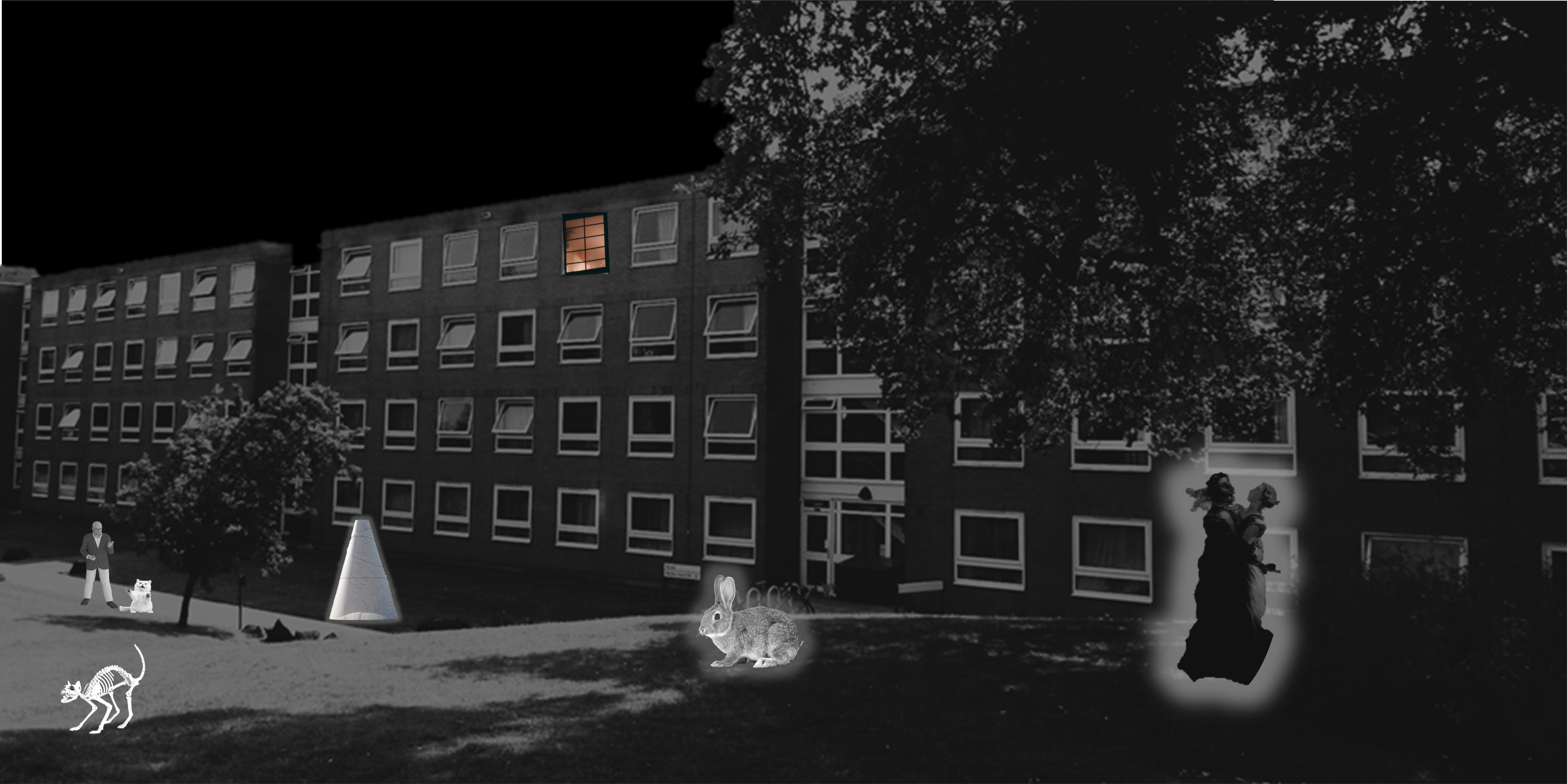

What follows is a second compilation of Warwick lore, covering even more of our most notorious campus cryptids, local legends, and unexplained mysteries.
Gibbet 'Gallows' Hill

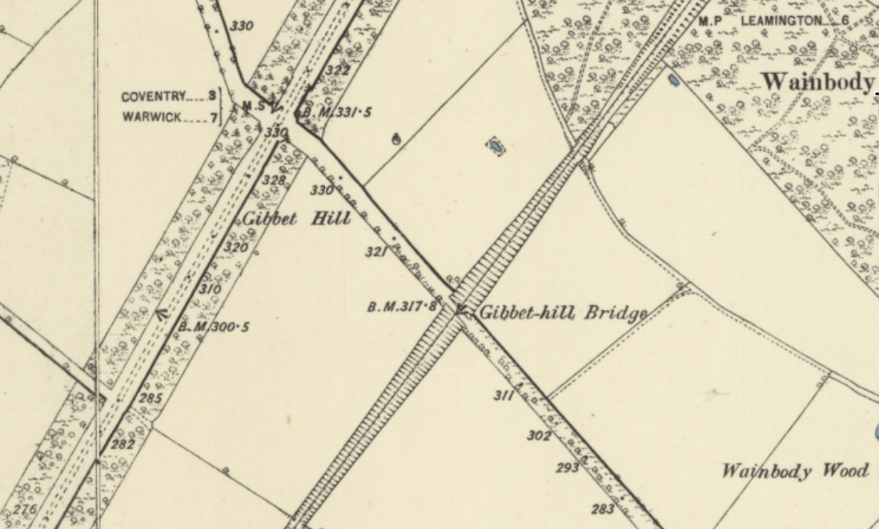
The ominously named Gibbet Hill, or ‘Gallows Hill’ as it was formerly known (gibbet meaning gallows), has spawned many a folklore tale.
The hill was used as a place of execution from 1765. In that same year, it is said that three soldiers of Lord Pembroke’s Regiment of Dragoons (some say two soldiers and one weaver), Robert Leslie, Edward Drury, and Moses Baker (who may have been the weaver) wore disguises and mugged three farmers returning from Coventry market. One of the farmers, Thomas Edwards from Stoneleigh, was killed. They were arrested and sentenced to be publicly hanged atop Gibbet Hill.
Coventry’s mystic community soon caught wind of this and one of their most famous soothsayers prophesied that if a hare ran out from under the scaffold, an exoneration would follow from the county court. The three convicts were transported by cart from Warwick to Gibbet Hill for hanging. Talk of the prophecy had spread, and the crowd waited eagerly for the appearance of a hare. Sure enough, a hare materialised! The mob got extremely rowdy, and the sheriff was forced to delay the execution. Doing his best to calm the crowd, he sent a messenger to Warwick to see if there was news of a reprieve. There was not, so they hung.
The convicts’ bodies were taken down after they had died; they were tarred, wrapped in chains, and rehung. And there they stayed for 45 years.
Flashing back to the modern day – in an assuredly brief aside – some Warwick students believe it is possible that that miracle hare, which spared those prisoners’ lives if only for a few hours, lives on... near the building that houses the Warwick Manufacturing Group. Dubbed the ‘WMG Rabbit’, this mysterious cryptid is a whisper in the wind, rarely spotted, and scarcely known about. Nonetheless, it remains succinctly possible that this bunny is our very same miracle hare, an eternal apparition, forced to wander the grounds of the university for eternity and beyond…
But, anyway, back to the story. Shortly after the bodies were rehung, a group of people were discussing it in a nearby tavern. A bet was laid on which of the merry drinkers would have the courage to approach the gallows and ask its three departed occupants how they were. One of them took the bet. Approaching the gibbet, through the wind and the rain, in a shaky voice that crackled through the darkness, he asked, “How fares it with you three?” The reply came back, “Very wet and cold.” Unsurprisingly, the once-merry drinker bolted in terror!
It ultimately turned out that one of his crueller drinking companions had got there before him, hidden in a bush, and shouted the answer. Whether the poor guy ever got his consolatory money remains lost to history, but I, for one, hope he did.
The gallows were removed in the 19th century, and though the site is said to be haunted, nothing identifiable survives. Some say the only thing that remains of ‘Gallows Hill’ is the sound of clinking chains on only the quietest and darkest of nights.


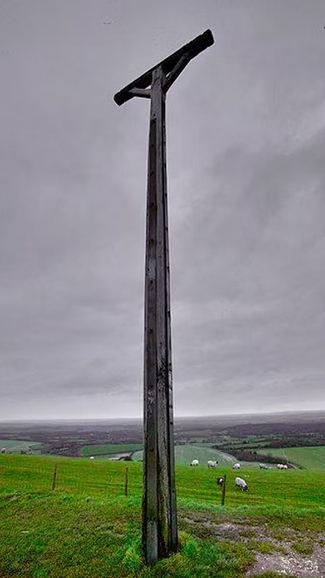
Image: Westwood Heath / Wikimedia Commons
Image: Westwood Heath / Wikimedia Commons
Curiositea killed a cat

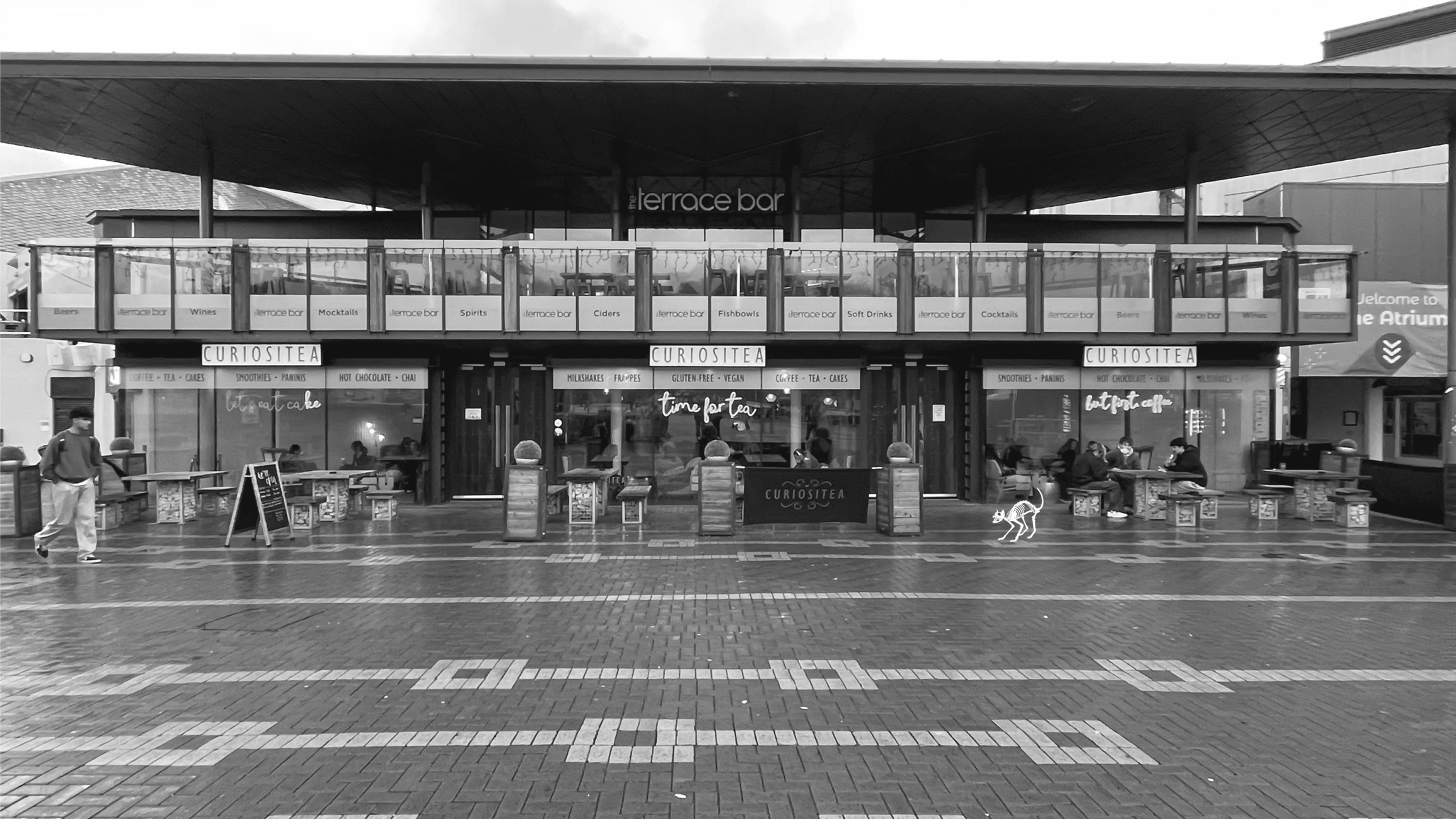
It is said that around ten years ago, when Curiositea was still very new, there lived a black campus cat called Jimmy, father of Rolf, the current Warwick cat. One day, the Curiositea baristas were clearly either still learning how to make coffee properly or experimenting with potential new syrups, and in doing so left an untouched latte out on one of the café’s outdoor tables. Meanwhile, Jimmy, who was casually disregarded by many a Warwick student and far less revered than his son Rolf, was wandering around alone, as he was prone to do. Legend has it that it was on one of these campus strolls that Jimmy stumbled upon this untouched, milky latte, as a lover of milk and a fiend for arabica coffee, he naturally drank the whole thing. Whether it was the result of a coffee badly made, too experimentally flavoured, or some sort of caffeine overdose is not known, but that very afternoon, Jimmy dropped stone-cold dead.
At the time, many a student treated this as a twisted joke. Carelessly posting banter on Warwick Love like “Curiositea literally killed a cat lmao”, “Rest in Pieces J-dog”, and “BT is so gorg I love him”.
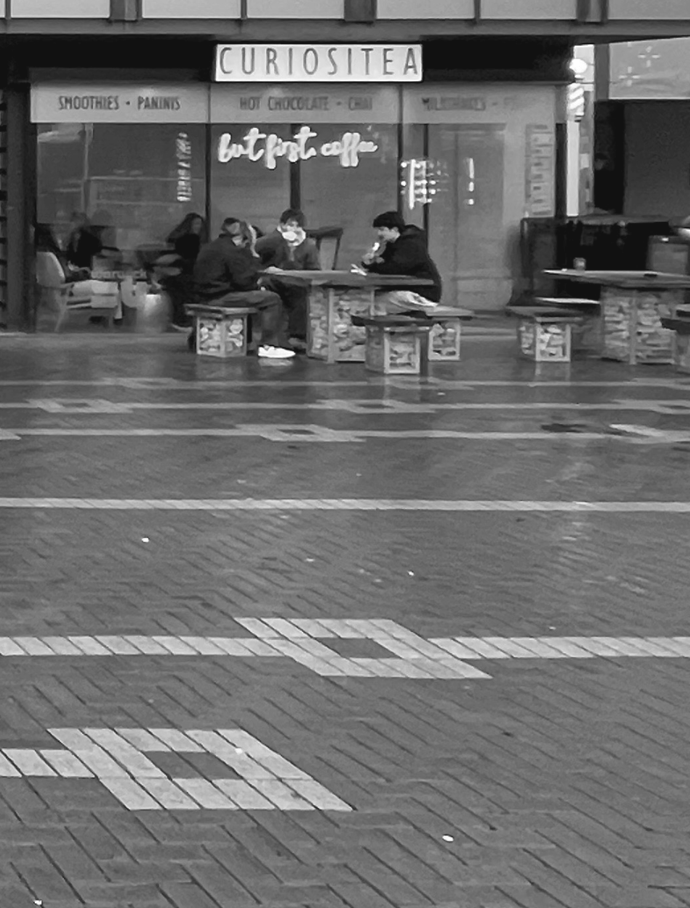
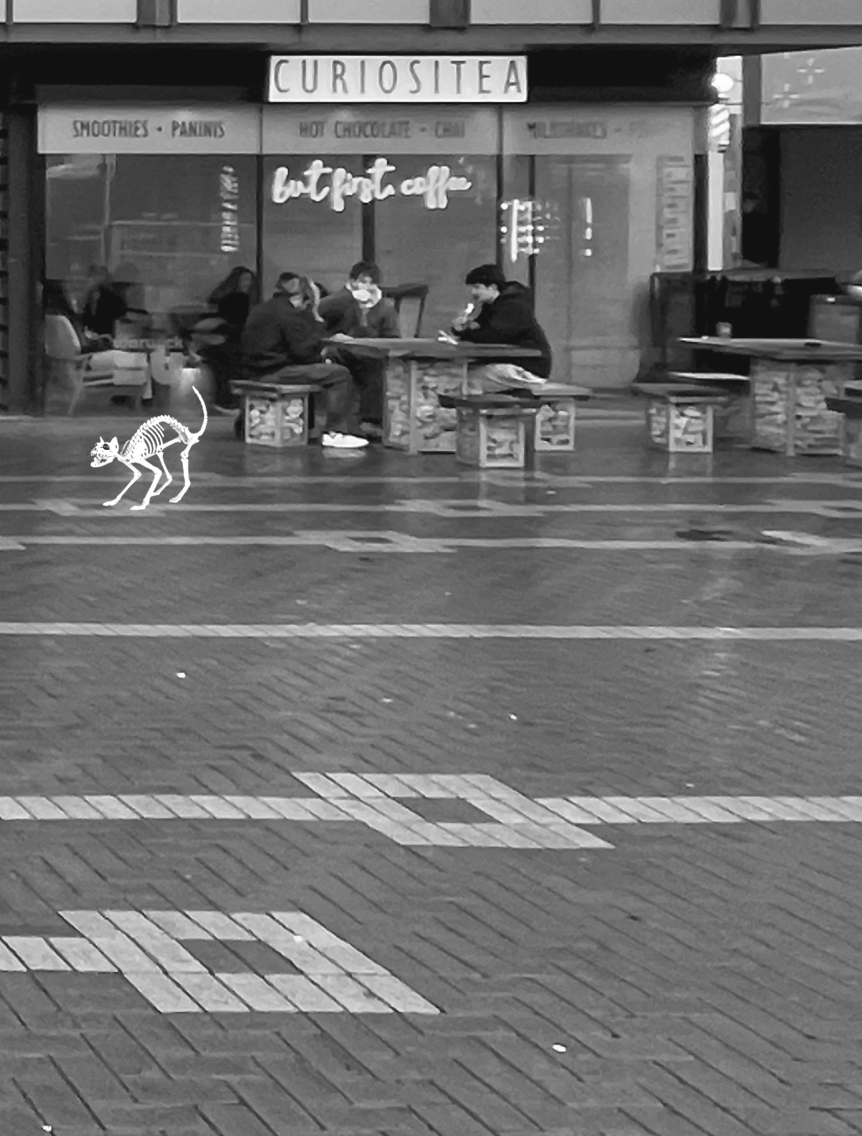
However, a week or so passed, and students started reporting peculiar sightings of a white-hued cat outside the café at night. Although most attributed it to the six Purples and four VKs they’d just consumed or the possibility that it was a separate cat, it was strange nonetheless.
However, as the weeks passed, more reports continued to come in. A light grey cat spotted in the reflection of Curiositea’s windows, a distant feline watching on at drinks left unfinished, cups knocking over in the wind.
As months passed, those Curiositea staff who’d mocked Jimmy loudest quit, milk curdled unattended, coffee lids refused to wrap around the whole takeaway cup causing embarrassing spillages, windows reflected the glowing whiteness of a cat that simply was not there.
It is said that soon after, a Bluebell resident, the student who’d been the first to post a video about Jimmy’s passing online, started acting strangely, more strangely even than your bog-standard Bluebell dweller. He started leaving his room, using the kitchen, feeding on the fridge’s milk supplies, skipping lectures, going out at night. But not to POP! or Neon. No, instead, he would perch outside Curiositea. One report notes the blank stare of his glowing eyes in the dark, as he sat looking silently through the café windows. Supposedly, his one friend said that he never spoke again.
Some say that if you leave your coffee unfinished in Curiositea, the deathly pale ghost of Jimmy will appear, finishing either it or you. Worse still, if you mock his memory, you may find yourself outside Curiositea at night, staring through the glass, milk on your breath, eyes faintly glowing, never to utter another word.


The Forfield Catman

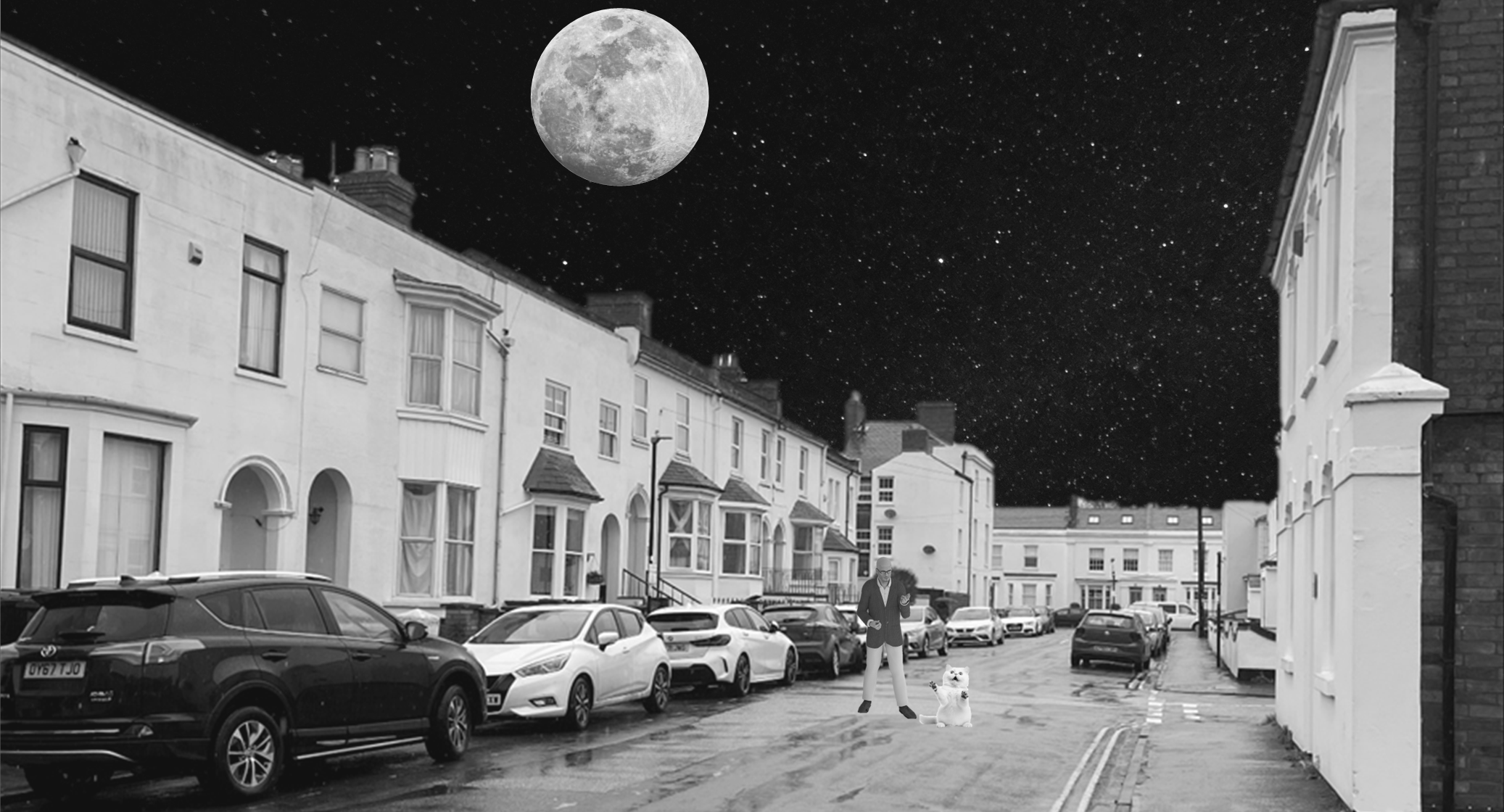
Going off-campus for a change, though sticking to a student-dense area of Leamington and the recurring theme of spooky felines, we have the Forfield Catman.
A truly intriguing mystery, this unknown, bald gentleman strolls the streets around Forfield Place at night. Perplexingly, he is always accompanied by some quantity of cats and can often be seen in what appears to be conversation with them.
Whether he follows the cats, the cats follow him, or if he can indeed talk ‘cat’ is not known, but what is never in doubt is that if you ever see this man in the flesh, there’ll always be at least one cat by his side.
The Koan Cult and other Koanspiracies

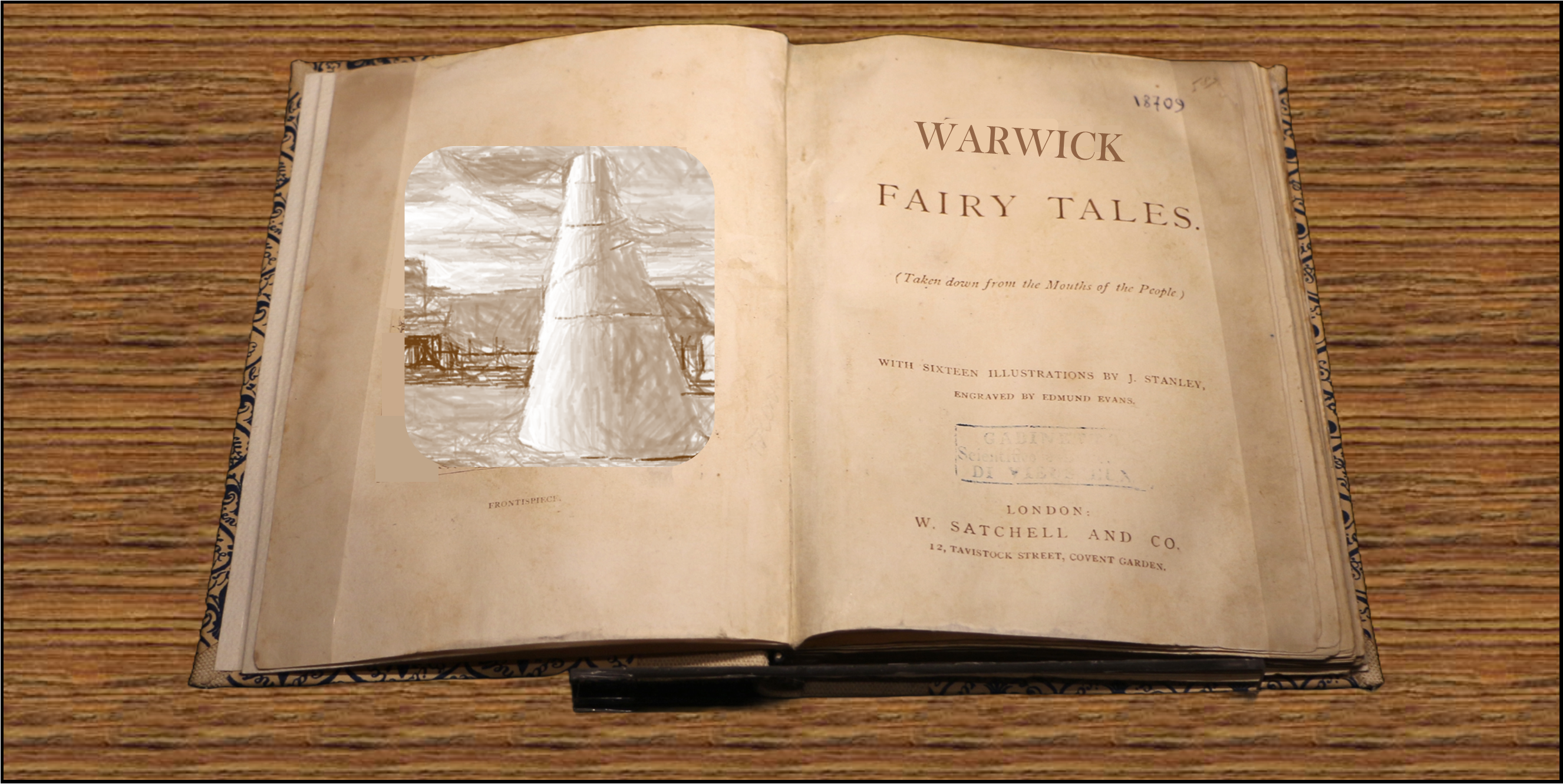
For generations, the Koan has baffled and bemused students at the University of Warwick. As already explored in great depth elsewhere, its founding myth is one of much repute and almost Euripidean scale. However, several other rumours, traditions, and worship groups continue to revolve around it.
The Koan was supposedly once the nose cap of a Blue Streak Missile. That, or it was an aborted Apollo mission. Others say it is a glorified manhole covering an escape tunnel for senior staff to evacuate from their offices nearby in Senate House. More still, suggest it could be some sort of signalling device for aliens in outer space. A fourth group of people argue that our Koan is but one final remnant of a whole host of Koans, a henge, if you will, built by ancient ancestors, ingeniously dubbed ‘Koanhenge’ as a clever pun, and created to communicate with the sea gods. Perchance it’s all five.
Other rumours over the Koan’s creation include the suggestion that it was originally supposed to be positioned on the roof of the Warwick Arts Centre, but that it was discovered that said roof was simply not strong enough to bear the physical and perhaps even spiritual weight of the sculpture.
The Koan is also said to be “the unofficial mascot of the university's Science Fiction society, and is secretly worshipped as the avatar of a god by the Koan Worshipping society.”
The most persistent of all myths is the belief that there is a man trapped inside the Koan, a theory that gained increased traction following an impressive online awareness campaign spearheaded by the Instagram account Man In Koan. This stands as one of three current accounts dedicated to celebrating the Koan, with another, Warwick Koan, posting appreciation pictures, and a third, I Love Koan, lobbying hard to get the Koan spinning again. This too remains a significant point of on-campus tension.
Beyond provoking campus conspiracies, the Koan has inspired its own comic strip. Created in the 1990s by Steve Shipway, with 32 editions, it depicted the Koan getting up to all sorts of wacky adventures. Recently, someone even took to Warwick Tea to publicly share a poem they wrote about the Koan not spinning and “how it plagues them” and how this would “help them process” it: "True! - nervous, yes, and troubled in the mind, By the silent Koan's stillness I was bound to find;
Why it spins no more at Warwick - that question rhymes through time, a whispering wheel that will not turn, yet tolls within like rhyme."
Most notably of all, however, the Koan spawned its own cult, named the Koan Worshipping Society and led by self-styled Koanists. They believed the sculpture stood as “the earth-bound manifestation of the immortal Koan, the creator of the universe”.
Events held by this group included a ritualistic marriage ceremony between the Koan and one female student, alongside the sale of Koan badges and earrings.
The Koan’s very name puns on the Buddhist concept of ‘koan’, a device for contemplating unanswerable questions. Perhaps that’s why it raises so many.
The New Rootes Rattler

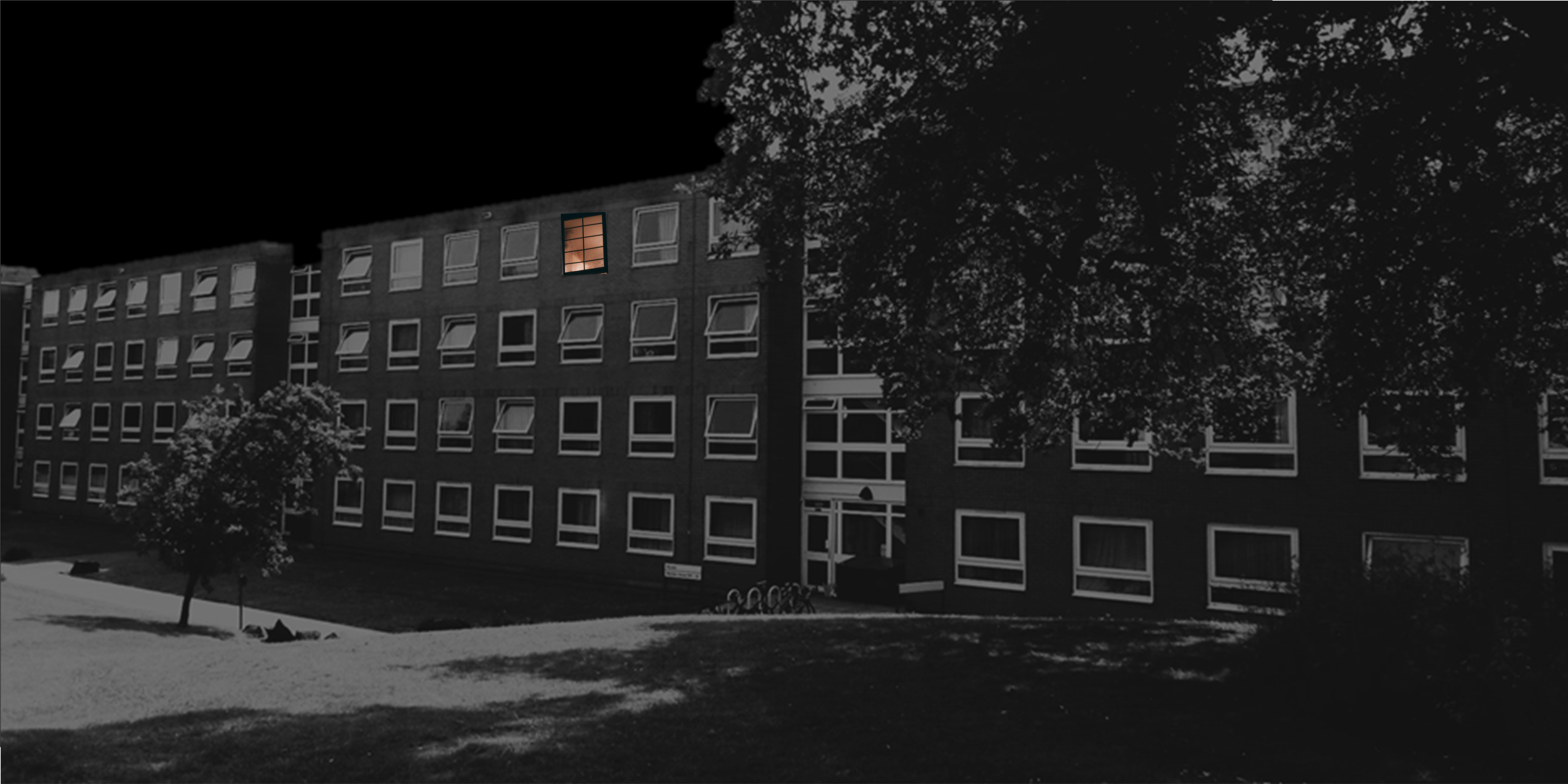
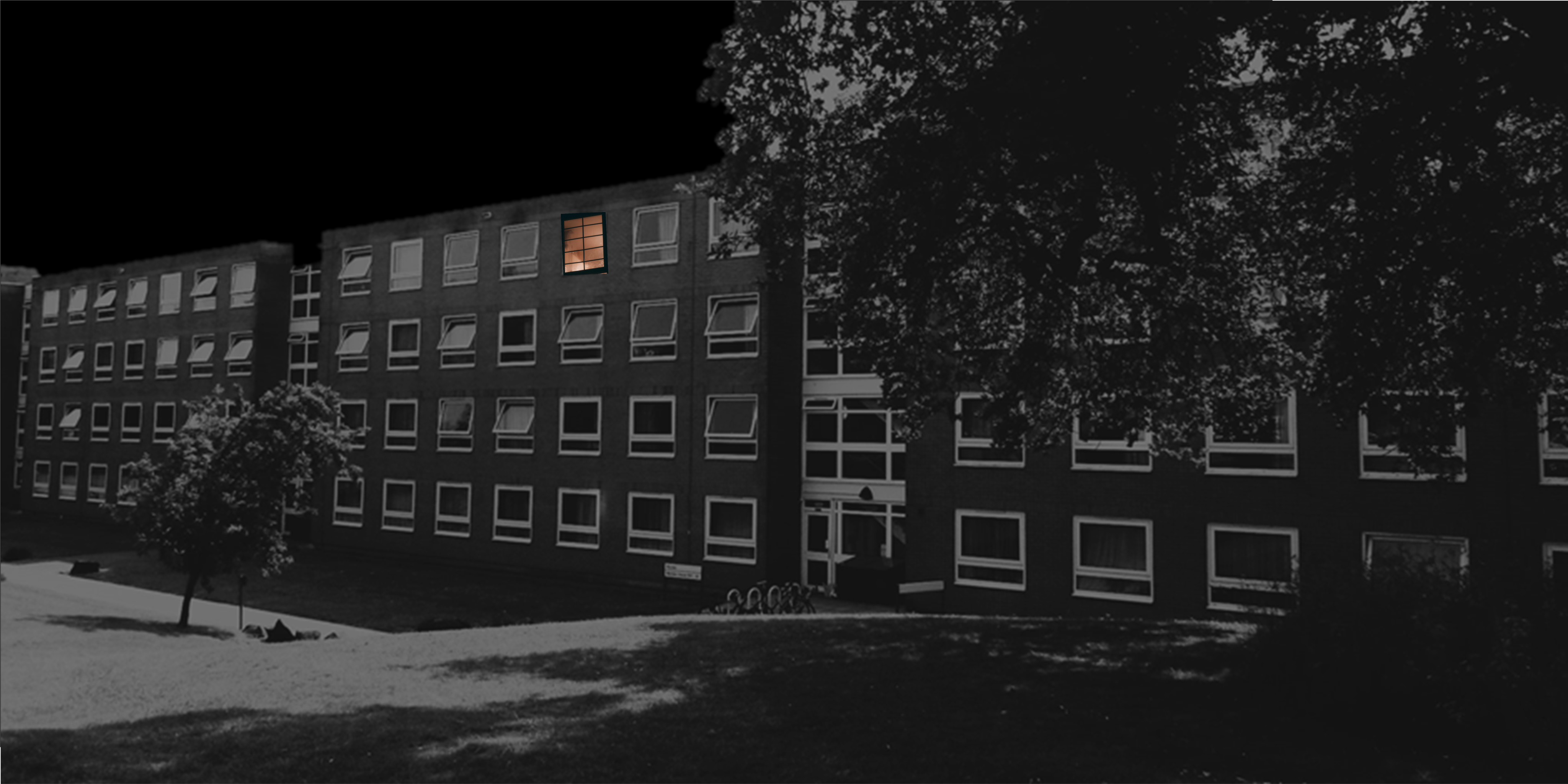
Old Rootes has connecting doors between blocks; hallways that span from A all the way to H block. New Rootes does not... While the connecting doors remain as hints to a possible lost past, they are firmly sealed, ensuring no New Rootes resident, however eager, could get from J block to K block, for example, without going outside. A scary thought indeed. But far less scary than the reason given for this inter-block shutdown. That reason, if indeed it has a name, is often called The New Rootes Rattler…
Supposedly, when New Rootes was first constructed, the planners tore a great gash in the earth to make room for the foundations. Some say it was while this scar in the landscape remained open that something below bled through, crossing the gap, into the overground.
The builders completed the work, filled the scarred earth below and left New Rootes in its stead. But they didn’t just leave behind a new campus building. Oh no. They left behind something far uglier, far harsher, even than New Rootes… The Rattler.
The creature is never seen, only heard: a rapid, irregular tapping in the walls, rattling… like scattered marbles thrown down a metal vent, moving from J block to K block between two and four in the morning, deep into the university's officially allotted quiet hours. The first reports came from a group of second years, who’d returned from a term in Venice, in the building's opening year. They described it on consecutive nights, always moving in the same direction, always stopping dead at the sealed threshold between blocks. Freezing in the face of the liminal. The Residential Community Team was informed. The Residential Community Team did not act.
Resident after resident began to realise that the rattling always stopped during Fresher’s Week, Reading Week, or at the start of term. It came only in the silences, deadline season, darkest February, the lightless weeks of late November when the corridor would empty each night.
Some residents claimed The Rattler was drawn to isolation. Others said it was less that the creature sought isolation out and more that there was something in the building’s design, its careful partitions, that suited it enormously. It was drawn to the corridors, though could not easily cross the sealed doors. Some alignment in the earth, some nature of the subdivisions prohibited its crossing those liminalities at its normal speed and without some huge effort.
Now we must remember something crucial: the connecting doors were always sealed... These restrictions were not brought in to contain The Rattler and keep students safe. They were sealed because free-flowing corridors create friendship groups, which create noise. Noise creates complaints, complaints create dissatisfaction ratings in student satisfaction surveys. Dissatisfied ratings in student satisfaction surveys can lower university enrolment.
So, The Rattler continues to stalk the corridors of New Rootes, haunting the sleep cycles of all who live there. Still unseen, only heard. Rattling back and forth when New Rootes is at its quietest. Still, it pauses at the doors between blocks, so often turning back, thinking better than to cross. Even The Rattler has learned that sometimes doors only go one way.
Still, somewhere in a university management team’s email inbox lie thousands of complaint emails, moved to the bin. The Rattler remains the perfect excuse and a problem best left to students who’ve already enrolled.


Kasbah-crossed lovers

Two universities, both alike in Varsity,
In fair West Midlands, where we lay our scene,
From ancient grudge break to new Coventry,
Where student love makes student love unclean.
From forth the fatal loins of these two foes
A pair of star-cross'd lovers take their life;
Whose misadventured piteous overthrows
Do with their death deepen their unis strife.
The fearful passage of their death-mark'd love,
And the continuance of their students’ rage,
Which, but their best friends end, nought could remove,
Is now the two hours' traffic of our stage;
The which if you with patient ears attend,
What here shall miss, our toil shall strive to mend.
The refrain above is widely attributed to an unknown Warwick student. However, modern scholars believe this presumptive attribution is a product of both classist stereotypes and the largely unfounded accusations that Coventry students can’t read.
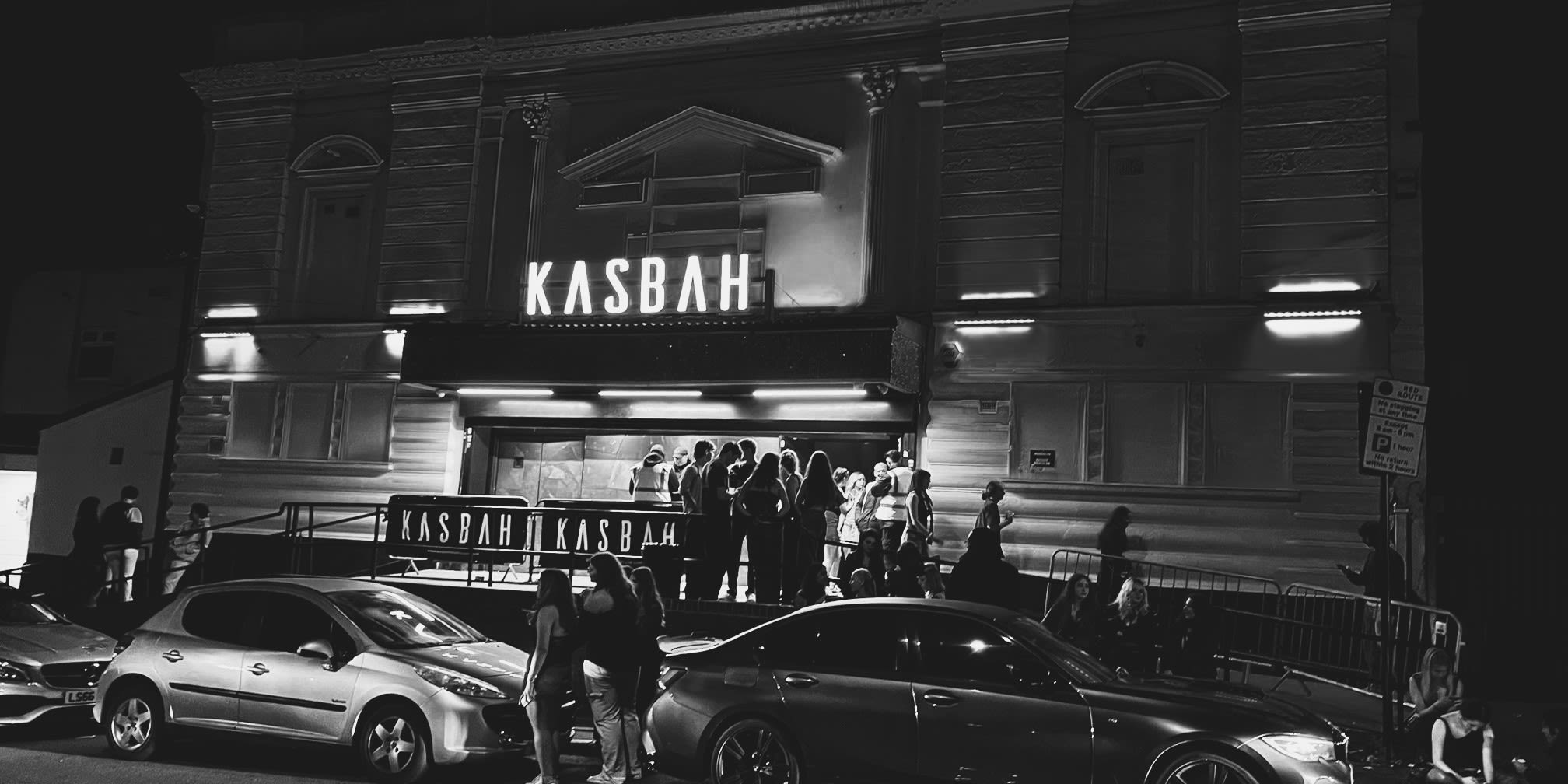
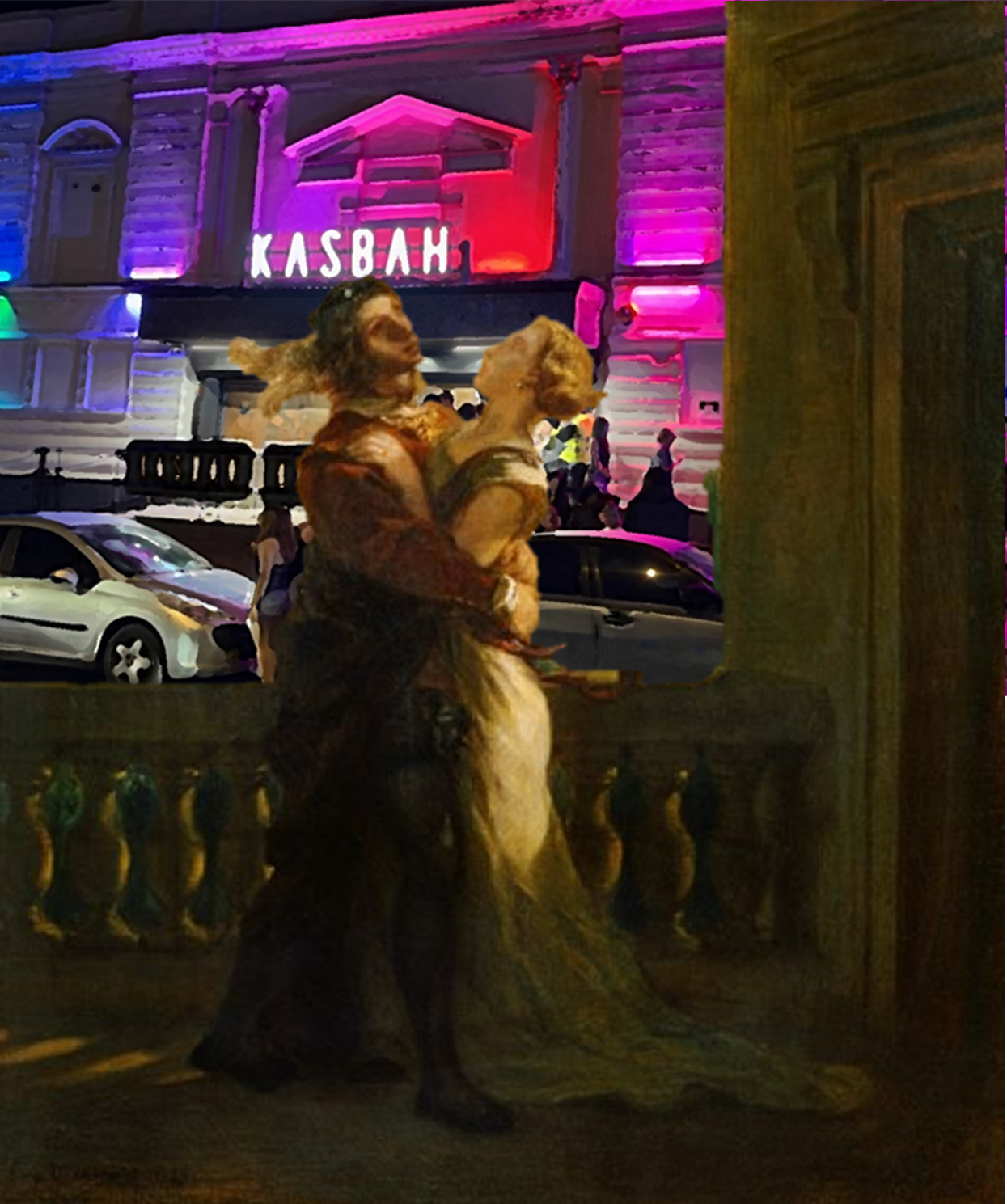
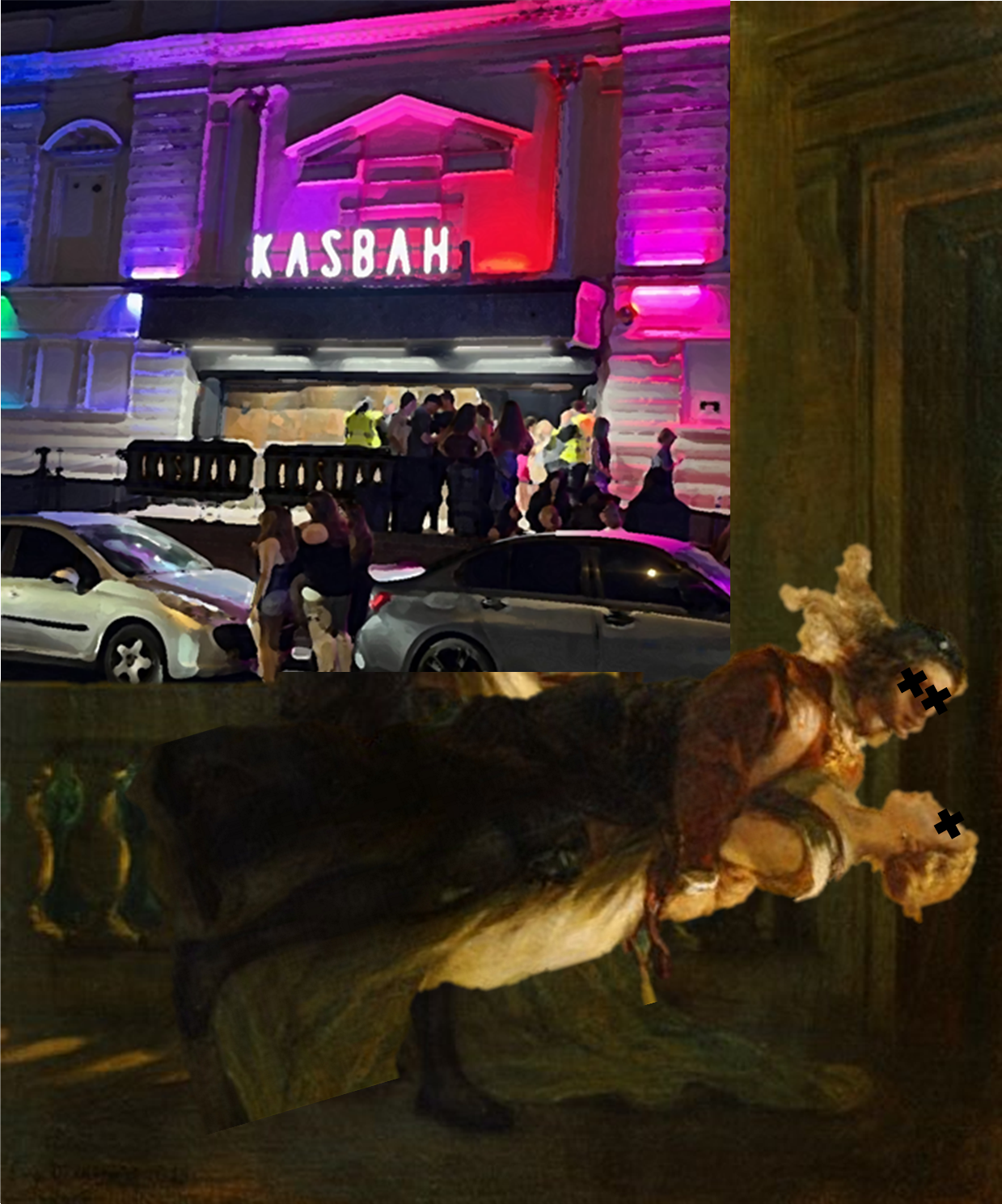
The original accompanying story is lost to time. However, it’s believed that at some point in the mid-1990s, a few years after Warwick and Coventry’s Varsity rivalry was formalised, two students, one of Warwick and one of Coventry, fell in love inside the world-class smoking area in Kasbah (the club formally known as The Colosseum) before a tragic mix-up in a mugging gone wrong later that night resulted in the pair's joint deaths. Though unlike the two families in the eerily similar narrative of Romeo and Juliet by local writer William Shakespeare, this failed to bring the two divided universities together, and their bitterness towards each other continues both on and off the Varsity pitch to this day. Whether, of course, that rivalry derives from these two Kasbah-crossed lovers is hard to say for sure.




Sources
Coventry's Corpus by J.J. Lennard.
‘Tales of hangman’, Westwood Heath.
Historic Coventry Forum.
‘Strange Happenings at Gibbet Hill, Coventry’ by Warwickshire World.
The Ghost Midlands by Freya Park.
'Folklore of suburbia' by George Wayne.
'Finding the catman: a legacy unearthed' by James Crowder.
Murder in Midlands II by Tobias Stevenson.
Haunted Forfield by Hugh Dentz.
www.tandfonline.com.
www.capitalpunishment.org.
Talking Koan, RAW.
Coventry Telegraph, 14th October, 2013 (Article on Gibbet Hill): https://www.coventrytelegraph.net/news/coventry-news/red-button-posh-coventry-cul-de-sacs-6172610.
The Gentleman’s and London Magazine, Vol.35.
The Golden and Ghoulish Age of the Gibbet in Britain by Sarah Tarlow.
Warwickshire Directory, 1874.
National Library of Scotland.
Warwick Forum.
The Warwick Boar.
 Built with Shorthand